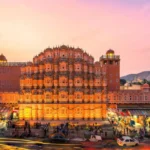
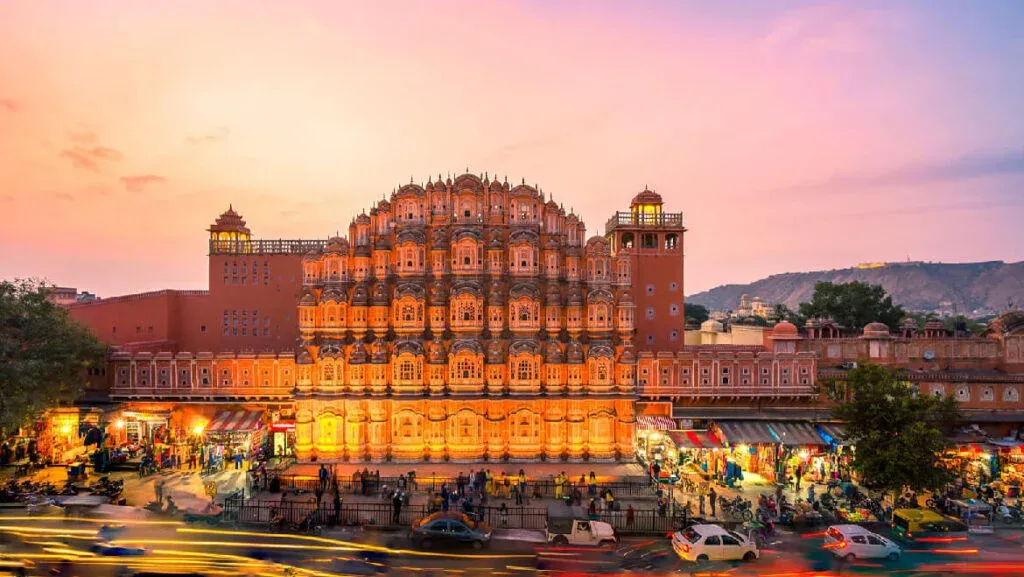
Standing in front of the stunning Hawa Mahal in Jaipur feels like stepping into a royal story from the past. Famous as the “Palace of the Winds,” this historic monument is one of the most beautiful examples of Indian architecture. With its pink sandstone walls and hundreds of tiny windows, Hawa Mahal continues to attract travelers from all over the world. This palace is not just a tourist spot, but a symbol of Rajasthan’s royal lifestyle and artistic excellence.
Visitors are often amazed by how such a tall and detailed structure was built centuries ago without modern machines. From history lovers to photographers, everyone finds something special here. Let’s explore the story, design, and cultural value of this iconic palace.
History of Hawa Mahal
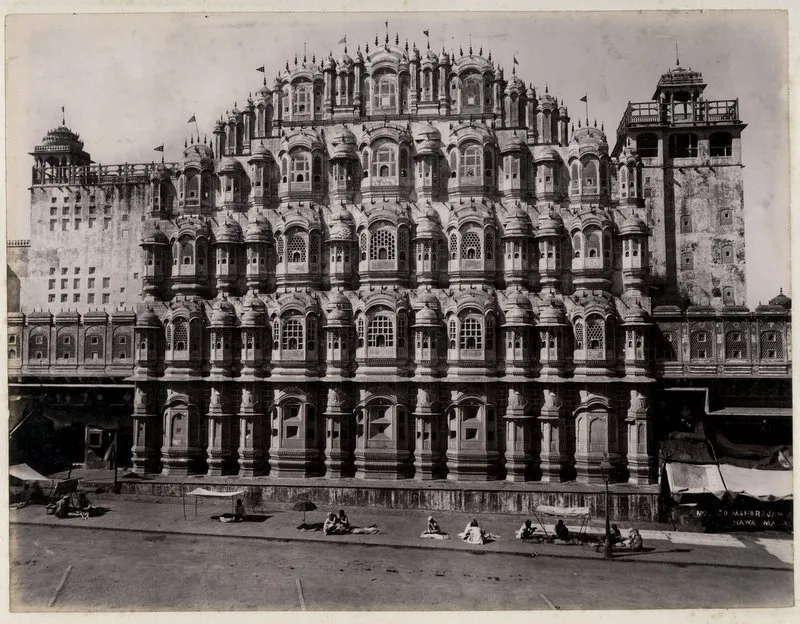
Hawa Mahal was built in 1799 by Maharaja Sawai Pratap Singh, who belonged to the Kachhwaha Rajput dynasty. The palace was constructed as an extension of the City Palace and was specially designed for the royal women of the court.
During that time, women followed the tradition of purdah and were not allowed to appear in public. Hawa Mahal allowed them to watch festivals, royal processions, and street life through small windows without being seen. The palace was designed by Lal Chand Ustad and built using red and pink sandstone.
The honeycomb shape of the building and its crown-like design are said to be inspired by Lord Krishna’s crown. The many small windows, also known as jharokhas, look like peacock feathers when viewed from a distance, giving the palace its unique appearance.
Architectural Features of Hawa Mahal
The most eye-catching feature of Hawa Mahal is its massive front wall with 953 beautifully carved jharokhas. These windows were designed to allow fresh air to pass through the palace, keeping the rooms cool even during hot summers. This natural ventilation system is why the palace is called the “Palace of the Winds.”
The detailed lattice work on each window shows the high level of skill of the craftsmen of that era. Floral patterns, curved arches, and symmetrical designs can be seen across the façade. No two windows are exactly the same, which adds to the beauty of the structure.
Inside the palace, visitors can explore open courtyards, narrow corridors, and small resting chambers. The walls once had colorful fresco paintings that showed royal life, religious scenes, and traditional festivals. Even today, you can feel the peaceful and royal atmosphere while walking through the palace.
Significance of Hawa Mahal in Indian History and Culture
Hawa Mahal represents the pride and elegance of Rajput architecture. It reflects how design was used not only for beauty but also for social customs and climate comfort. The palace is an important part of Jaipur’s identity and is featured on many travel posters and postcards of Rajasthan.
Some historians believe that Hawa Mahal also played a small role during the freedom movement, as it was used by locals for secret meetings. Over time, the palace became a silent witness to political changes and royal traditions.
Today, Hawa Mahal is protected by the Archaeological Survey of India and is considered one of the most valuable heritage monuments of the country. Visitors exploring Varanasi City, India can also see how Indian cities preserve spiritual and historical traditions in unique ways.
Visiting Hawa Mahal – Tips for Tourists
To enjoy your visit to Hawa Mahal, keep these helpful tips in mind:
- Best time: Visit early in the morning when sunlight reflects beautifully on the palace and crowds are smaller.
- Comfortable footwear: There are many steps and narrow walkways inside the palace.
- Photography rules: Mobile photography is allowed, but professional cameras may need permission.
- Hire a guide: Local guides can explain hidden stories and architectural details.
Following these tips will help you explore the palace comfortably and enjoy its beauty without stress.
Nearby Attractions Around Hawa Mahal
Hawa Mahal is located in Jaipur’s old city, close to many famous attractions. You can easily visit multiple sites in one day:
- City Palace: Right next to Hawa Mahal, the City Palace showcases royal museums, courtyards, and royal clothing.
- Jantar Mantar: A UNESCO World Heritage Site, Jantar Mantar features giant instruments used to study stars and planets.
- Amber Fort: Located on a hill, Amber Fort is famous for its mirror halls and grand courtyards.
Shopping in local bazaars and tasting Rajasthani food nearby will make your visit even more memorable.
Famous Events and Festivals at Hawa Mahal
Hawa Mahal often becomes a stage for cultural programs and heritage festivals. Events like Teej and Gangaur are celebrated with traditional music, folk dance, and colorful decorations.
Sometimes, parts of Jaipur Literature Festival events and cultural exhibitions are organized near the palace area, attracting visitors from many countries. These events help keep Rajasthan’s traditions alive and promote cultural tourism.
Hawa Mahal – A Photographer’s Delight
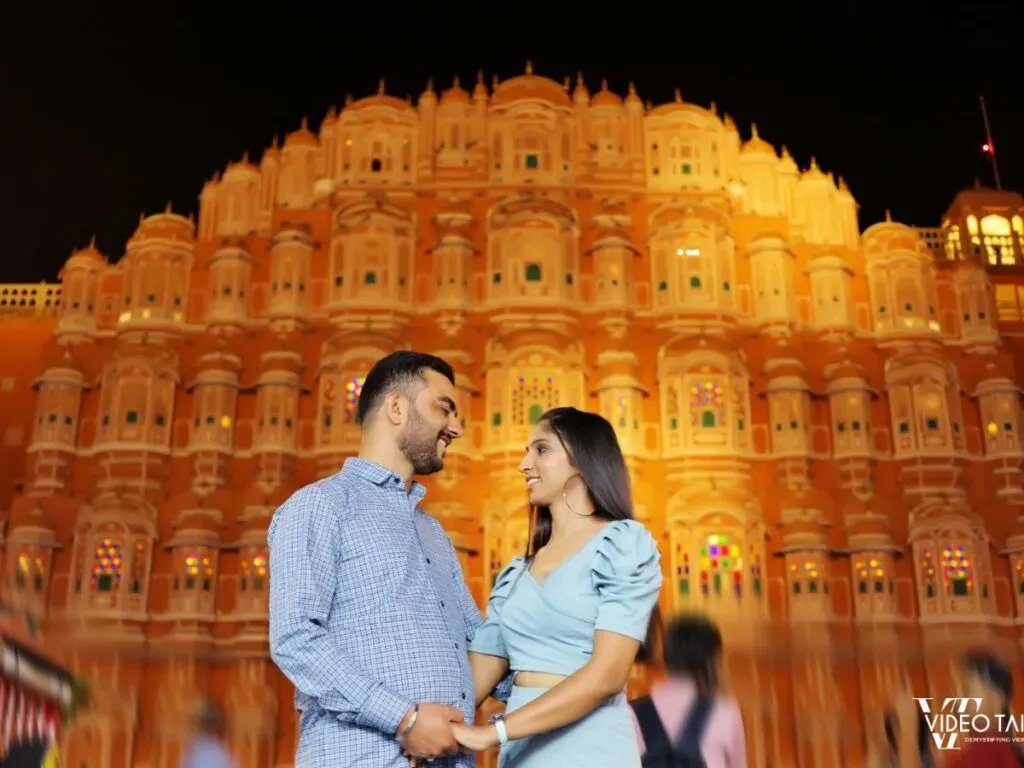
Photographers love Hawa Mahal because of its patterns, colors, and lighting. The way sunlight hits the pink walls during sunrise creates magical photo opportunities.
From wide shots of the entire façade to close-up shots of window carvings, every angle tells a story. Many travel bloggers and filmmakers use Hawa Mahal as a background because it represents the true beauty of Jaipur.
Hawa Mahal in Popular Culture
Hawa Mahal has appeared in many Bollywood movies, travel documentaries, and tourism advertisements. Its unique design makes it instantly recognizable around the world.
Artists, painters, and writers have also used Hawa Mahal as inspiration in books and artwork, helping spread the beauty of Rajasthan globally.
Personal Experience
Walking through the narrow passages of Hawa Mahal felt like traveling back in time. The cool breeze coming through the windows, the quiet halls, and the city sounds from outside created a peaceful feeling.
Learning about Rajput architecture helped me understand how design, comfort, and culture were perfectly combined in this palace. It was not just a building but a royal lifestyle preserved in stone.
FAQ
Is Hawa Mahal open to visitors?
Yes, Hawa Mahal is open daily, but some areas may be closed for maintenance.
What is the best time to visit?
Early morning or late afternoon is ideal for sightseeing and photography.
How much time is needed?
Most visitors spend around 1 to 2 hours exploring the palace.
Are guides available?
Yes, licensed guides are available at the entrance and can also be booked online.
Conclusion
Hawa Mahal is more than just a tourist attraction — it is a living reminder of India’s royal history and artistic excellence. Its design, stories, and peaceful atmosphere make it one of the most unforgettable monuments in Jaipur.
If you are visiting Rajasthan, Hawa Mahal should definitely be on your travel list. From history lovers to casual travelers, everyone leaves with beautiful memories and a deeper respect for India’s architectural heritage.