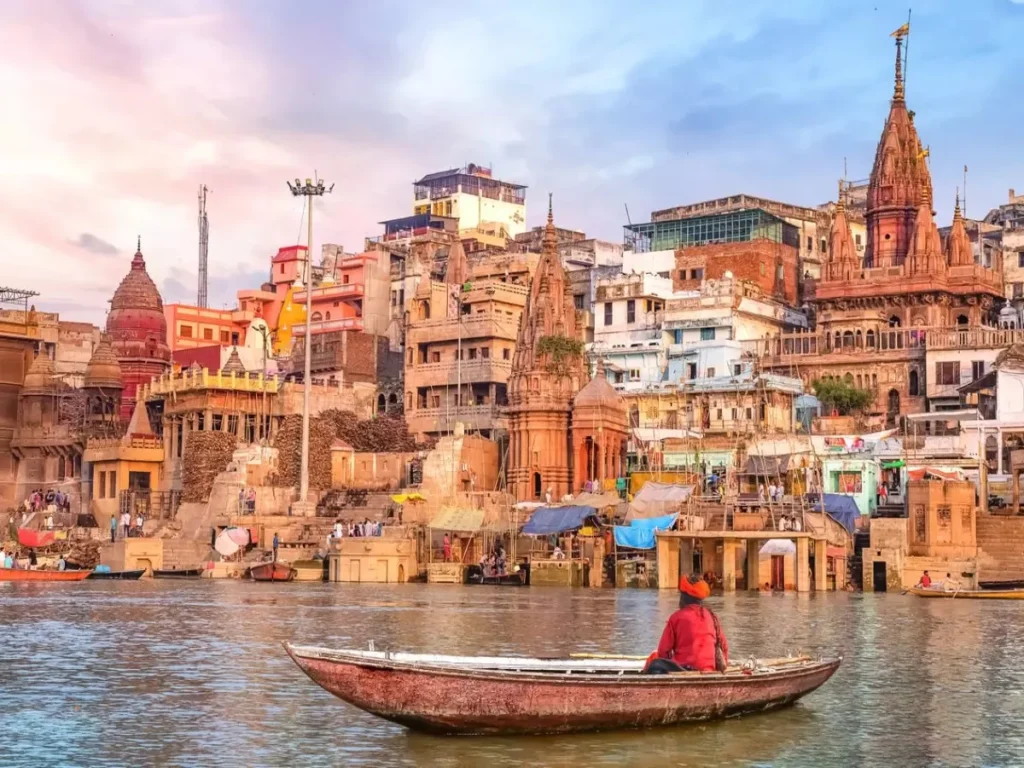
Varanasi, also called Kashi or Banaras, is a city in the northern state of Uttar Pradesh, India. Known as one of the world’s oldest continuously inhabited cities, Varanasi holds immense cultural, religious, and spiritual significance. With a history spanning over 3,000 years, it is a city that perfectly blends tradition with vibrant modern life.
Walking through the narrow lanes and ghats of Varanasi, one feels the mystical aura and spiritual energy that defines this ancient city. This guide explores the history, rituals, temples, cuisine, shopping, accommodations, and travel tips to help you plan an unforgettable trip.
History and Significance of Varanasi
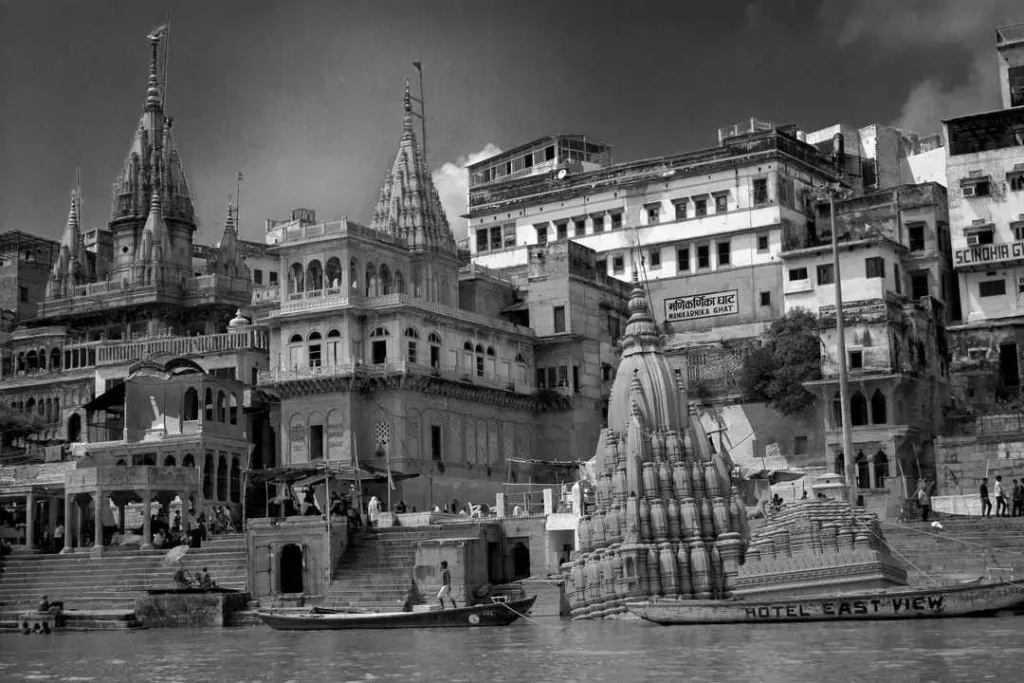
Varanasi’s rich cultural heritage dates back to ancient times. According to legend, the city was founded by Lord Shiva himself, making it a central place of worship for Hindus. Over the centuries, Varanasi has attracted scholars, philosophers, and spiritual seekers from all corners of the world.
The city has witnessed the rise and fall of empires, the birth of religions, and the evolution of art and literature. Today, it remains a living testament to India’s diverse and ancient traditions, where past and present coexist harmoniously.
Religious Importance
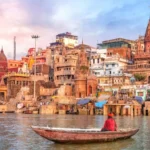
Varanasi is considered one of the holiest cities in India. Pilgrims believe that visiting Varanasi and bathing in the Ganges River can wash away sins and lead to salvation. The ghats and temples lining the river attract devotees seeking spiritual purification and blessings.
Sunrise dips in the holy waters of the Ganges are a deeply spiritual experience. Daily rituals, prayers, and ceremonial worship create a vibrant spiritual atmosphere throughout the city.
Famous Temples and Ghats
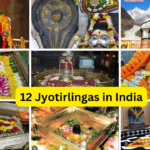
Varanasi is home to numerous temples and sacred ghats. The Kashi Vishwanath Temple, dedicated to Lord Shiva, is one of the twelve Jyotirlingas and draws thousands of devotees daily. Another renowned temple is the Sankat Mochan Hanuman Temple, known for fulfilling wishes of those with a pure heart.
The ghats along the Ganges, such as Dashashwamedh Ghat, are famous for rituals like the Ganga Aarti, a stunning river worship ceremony at sunset that combines fire, chants, and devotion.
Rituals and Ceremonies
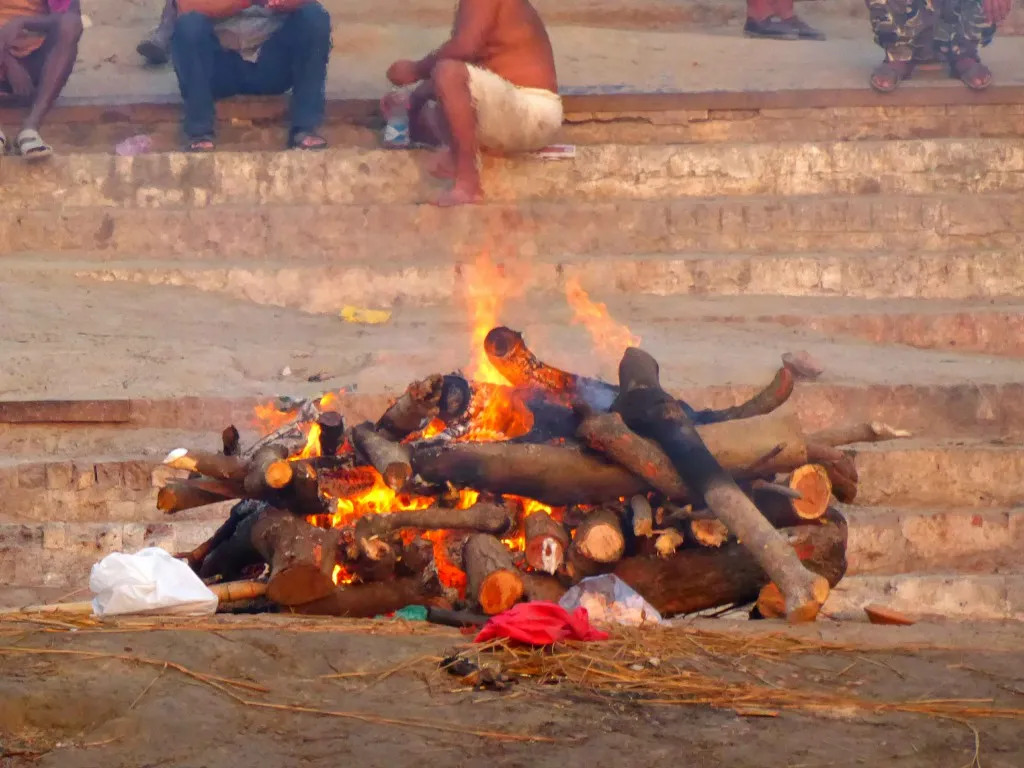
Varanasi is alive with rituals and ceremonies. The Ganga Aarti is a mesmerizing daily ritual performed by priests who offer prayers to the river goddess Ganga. Another significant ritual is pind daan, performed at Manikarnika Ghat, which is believed to bring peace to departed souls.
Cultural Experiences
Beyond temples and rituals, Varanasi is a hub of classical arts. Kathak, a North Indian classical dance, is frequently performed, showcasing intricate footwork and storytelling. Traditional music, with instruments like the sitar and tabla, fills the city, creating an enchanting atmosphere for visitors. For more travel inspiration, explore the Victoria Falls Travel Guide.
Cuisine and Street Food
Varanasi is famous for its street food and local delicacies. Popular treats include the Banarasi Paan, Malaiyo (a saffron-flavored winter dessert), Kachoris, Chaat, and Jalebis. Food lovers can enjoy a rich taste of local culture at small street-side stalls and local eateries.
Shopping in Varanasi

The city is a shopper’s paradise, famous for Banarasi silk sarees and exquisite handcrafted jewelry. Markets are filled with vibrant textiles, gold and silver ornaments, and local handicrafts, offering travelers an immersive cultural experience.
Best Time to Visit
The ideal time to visit Varanasi is during winter (November to February) for pleasant weather. Summers (April–June) are hot and humid, and monsoons (July–September) bring heavy rains. Plan your trip accordingly to make the most of the spiritual and cultural experiences.
How to Reach Varanasi
Varanasi is well-connected by air, rail, and road. The Lal Bahadur Shastri International Airport receives flights from major cities. Varanasi Junction railway station links the city to numerous parts of India, including luxury trains. Highways provide easy access by car or bus.
Accommodation Options

Varanasi offers accommodations for all budgets, from luxury hotels and resorts to budget guesthouses and homestays. Many are near the ghats, providing stunning Ganges views and easy access to the city’s attractions.
Safety Tips for Travelers
While generally safe, travelers should dress modestly at religious sites, avoid walking alone at night, secure belongings, and stay hydrated. Beware of touts and scams, and seek guidance from authorized tourism offices when needed.
Extra Experiences in Varanasi 2026
New in 2026, travelers can explore:
- Eco-friendly heritage walks along lesser-known ghats.
- Cultural workshops on Banarasi weaving and classical music.
- Evening boat tours with guided storytelling about legends and history.
- Interactive cooking classes to learn traditional Banarasi recipes.
Conclusion
Varanasi is a spiritual and cultural treasure of India. With its ancient temples, sacred ghats, lively rituals, classical arts, street food, and shopping, the city offers a journey into the heart of India’s spiritual heritage. A trip here is both enriching and unforgettable—immerse yourself in the magic of Kashi and experience a unique blend of history, culture, and devotion.