India, a land of vibrant culture and rich history, is home to breathtaking landmarks that showcase the country’s heritage. From majestic palaces to iconic monuments, India offers travelers a glimpse into its diverse architecture, traditions, and colorful festivals. Each site reflects centuries of craftsmanship and tells unique stories about India’s past. Explore these seven wonders in 2026 for a memorable journey through time and culture.
1. Taj Mahal (Agra)
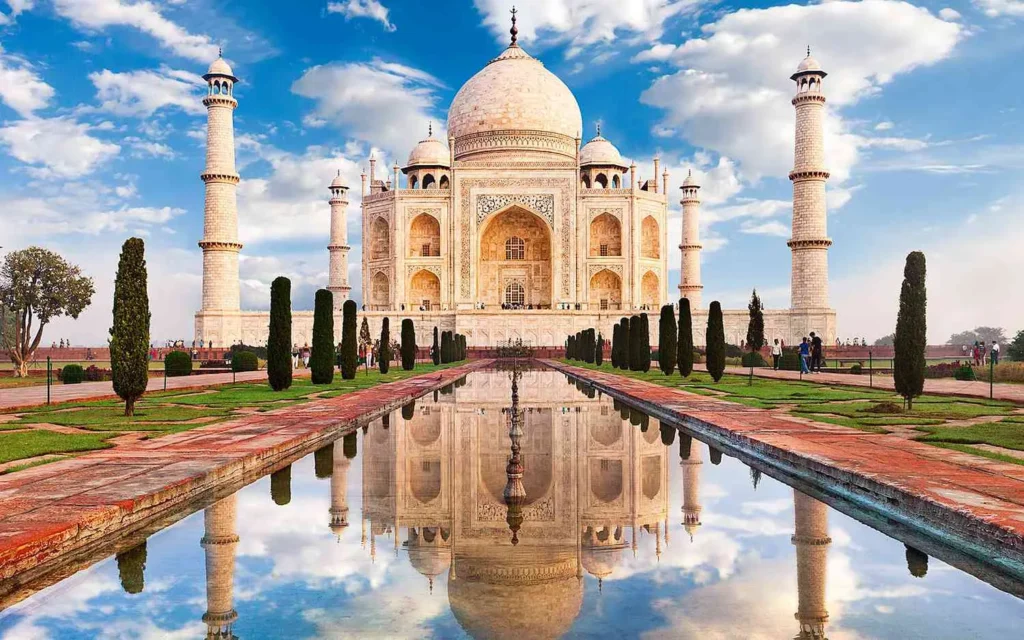
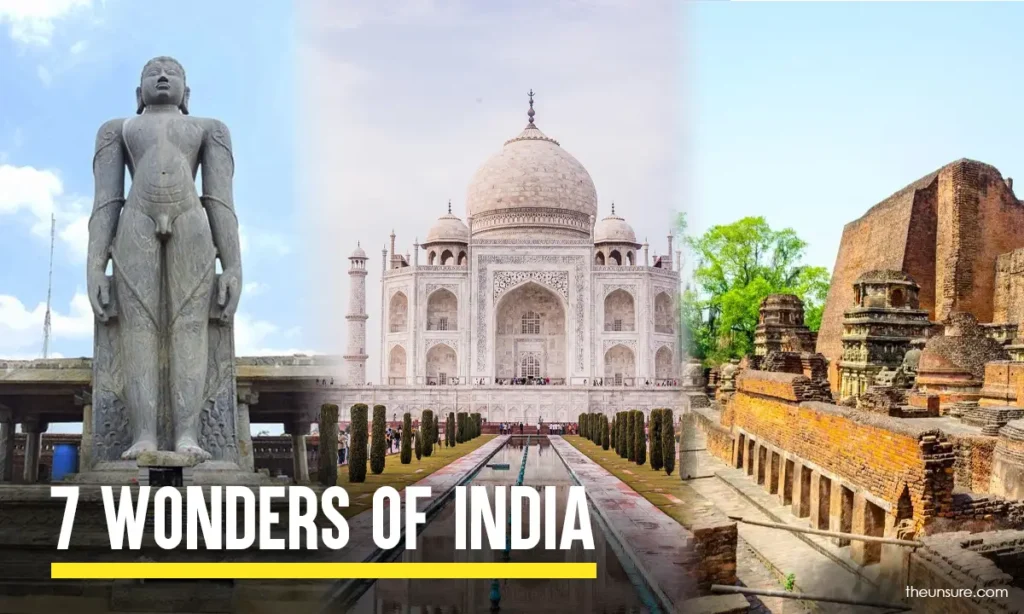
The Taj Mahal, built by Emperor Shah Jahan in memory of his wife Mumtaz Mahal, is the ultimate symbol of love. Made of pristine white marble, this UNESCO World Heritage site is admired worldwide for its symmetry, intricate carvings, and beautiful gardens.
Visitors can explore the central tomb, reflecting pools, and Mughal-style gardens. Visiting during sunrise or sunset offers a spectacular view of the monument’s gleaming marble in different lights. Travel tip: book tickets online in advance to avoid long queues.
For more scenic Himalayan comparisons, check out Manali vs Dharamshala to plan your extended India tour.
2. Qutub Minar (Delhi)

The Qutub Minar in Delhi, built by Qutb-ud-Din Aibak in the 12th century, is the tallest brick minaret in the world at 73 meters. Its red sandstone walls feature Arabic inscriptions and carvings representing the victory of the Delhi Sultanate.
Explore the Qutub complex to see ancient mosques, the Iron Pillar of Delhi, and the lush gardens surrounding the tower. It’s a must-visit for history enthusiasts and photographers.
Foodies can also explore 15 Best Street Food in Udaipur for a flavorful experience after sightseeing.
3. Red Fort (Delhi)
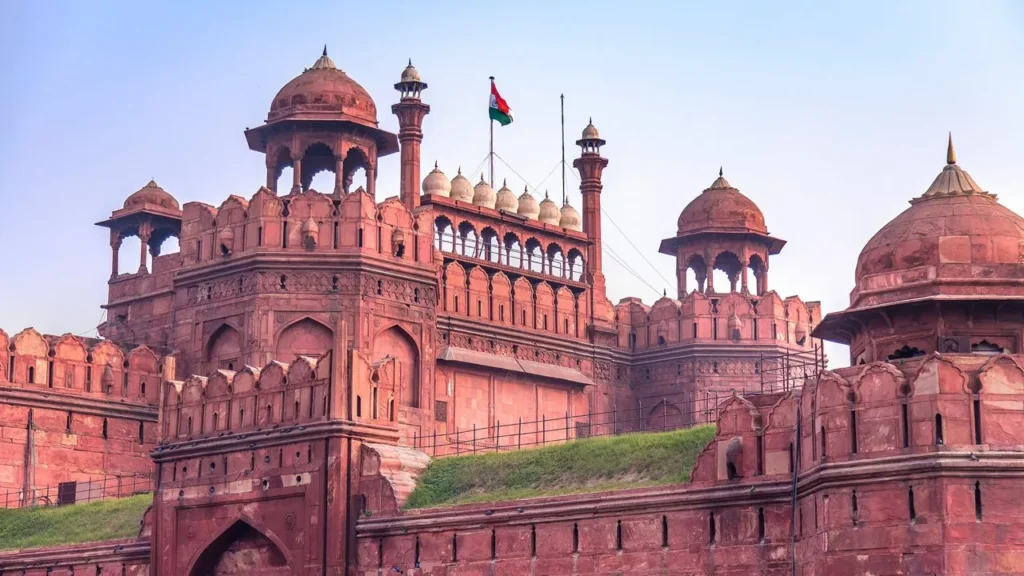
The Red Fort, located in Delhi, was built by Shah Jahan as the main residence of Mughal emperors for nearly 200 years. Constructed from striking red sandstone, it features the Diwan-i-Aam, Diwan-i-Khas, and lush gardens. Today, it is a UNESCO World Heritage site symbolizing India’s rich history.
Visiting during the Independence Day celebrations on August 15th allows you to witness the flag-hoisting ceremony and cultural performances. Travel tip: hire a guide to learn about the fort’s hidden history and architectural details.
4. Gateway of India (Mumbai)
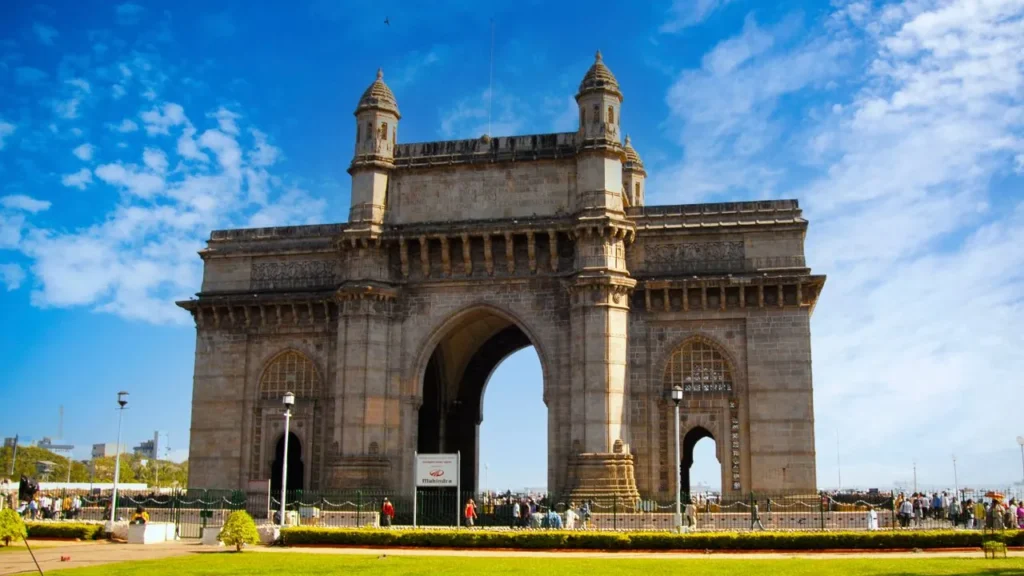
The Gateway of India, built in 1924, commemorates the visit of King George V and Queen Mary. Located in Mumbai, this 26-meter tall arch combines Hindu, Muslim, and British architectural elements. Overlooking the Arabian Sea, it is a popular spot for photographs and leisure walks.
Take a ferry from the Gateway to visit the nearby Elephanta Caves, a UNESCO World Heritage site with ancient rock-cut sculptures. Check also Top 10 Must-Visit Places in Tiruchendur for coastal explorations.
5. Lotus Temple (Delhi)

The Lotus Temple is a marvel of modern architecture shaped like a lotus flower, symbolizing purity and peace. Open to people of all religions, it encourages meditation, reflection, and unity.
Built with 27 white marble petals and surrounded by tranquil pools, the temple’s serene environment is perfect for spiritual retreats. Travel tip: evenings are less crowded and ideal for peaceful meditation.
6. Mysore Palace (Mysore)
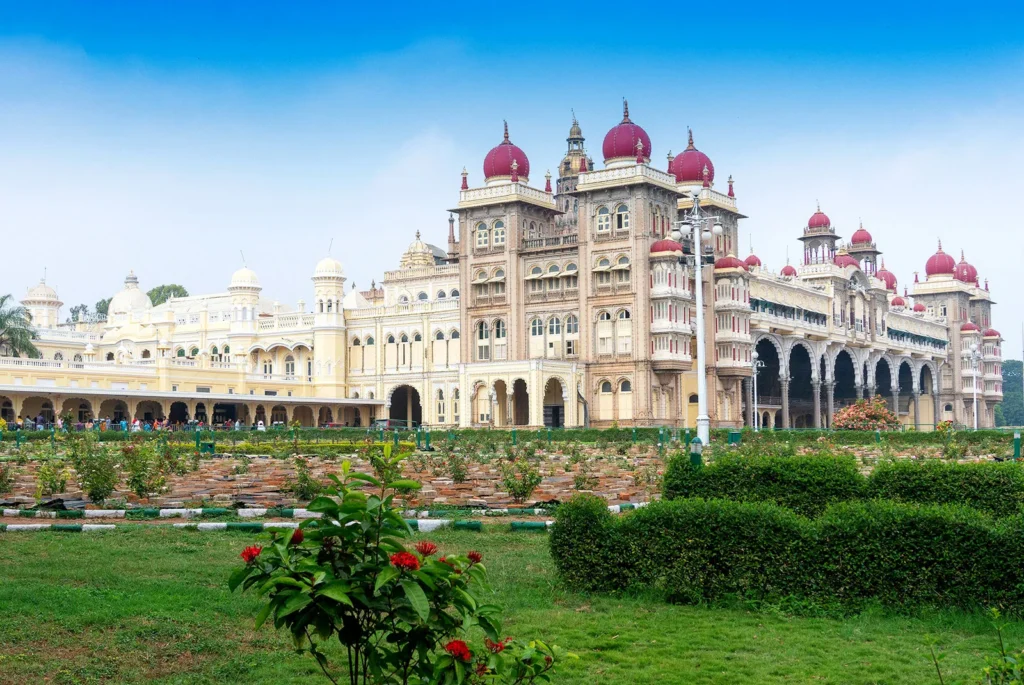
Located in Karnataka, Mysore Palace was the royal seat of the Wadiyar dynasty. Its blend of Hindu, Muslim, Rajput, and Gothic architecture creates a visual masterpiece. Inside, visitors can admire intricate carvings, colorful paintings, and ornate furniture.
The palace is especially spectacular during Dussehra, when thousands of lights illuminate its grandeur. Explore Sadar Bazaar in Agra for an authentic cultural shopping experience.
7. India Gate (Delhi)

India Gate, built in 1931, is a war memorial honoring soldiers who died in World War I. Standing 42 meters tall, it is surrounded by gardens and a canopy for ceremonial events. Evenings are ideal for a leisurely walk, enjoying the illuminated monument and local street food nearby.
Visitors can also explore nearby Rashtrapati Bhavan and Connaught Place to complete a historic and cultural tour of Delhi.
Conclusion
India’s Seven Wonders are not just architectural marvels—they are a testament to the country’s rich history, cultural diversity, and artistic brilliance. From the eternal love story of the Taj Mahal to the regal grandeur of Mysore Palace, each monument offers a unique experience for travelers in 2026. Explore these sites to enrich your understanding of India’s heritage and create memories that last a lifetime.
FAQs
What are the Seven Wonders of India?
The Seven Wonders of India are the Taj Mahal, Qutub Minar, Red Fort, Gateway of India, Lotus Temple, Mysore Palace, and India Gate.
Where is the Taj Mahal located?
The Taj Mahal is located in Agra, Uttar Pradesh, India.
What is the history of the Qutub Minar?
The Qutub Minar was built by Qutb-ud-Din Aibak in the 12th century to commemorate Muslim rule in India and victory over Delhi’s previous rulers.
Why is the Lotus Temple special?
The Lotus Temple is unique for its lotus-shaped architecture and as a place of worship open to people of all religions.
What is Mysore Palace known for?
Mysore Palace is known for its stunning architecture, artwork, and historical significance as the Wadiyar dynasty’s royal seat.
Is the Taj Mahal a UNESCO World Heritage site?
Yes, the Taj Mahal is recognized as a UNESCO World Heritage site.
When is the best time to visit these monuments?
The best time to visit India’s Seven Wonders is from October to March, when the weather is cooler and more comfortable for sightseeing.